
Mexican Food in Cancun
Mexican food in Cancun is much more than the familiar resort taco night. The city serves dishes from across Mexico, while the Yucatán Peninsula brings its own cooking: slow-cooked pork, citrus, achiote, corn masa, habanero and seafood from the Caribbean coast.
You do not need to memorise a menu or chase an “authentic” label. Pick one or two dishes that sound good, then decide whether you want a quick counter meal, a market lunch or a longer dinner. If you have only one evening away from an all-inclusive, that choice matters more than finding the most elaborate dining room.
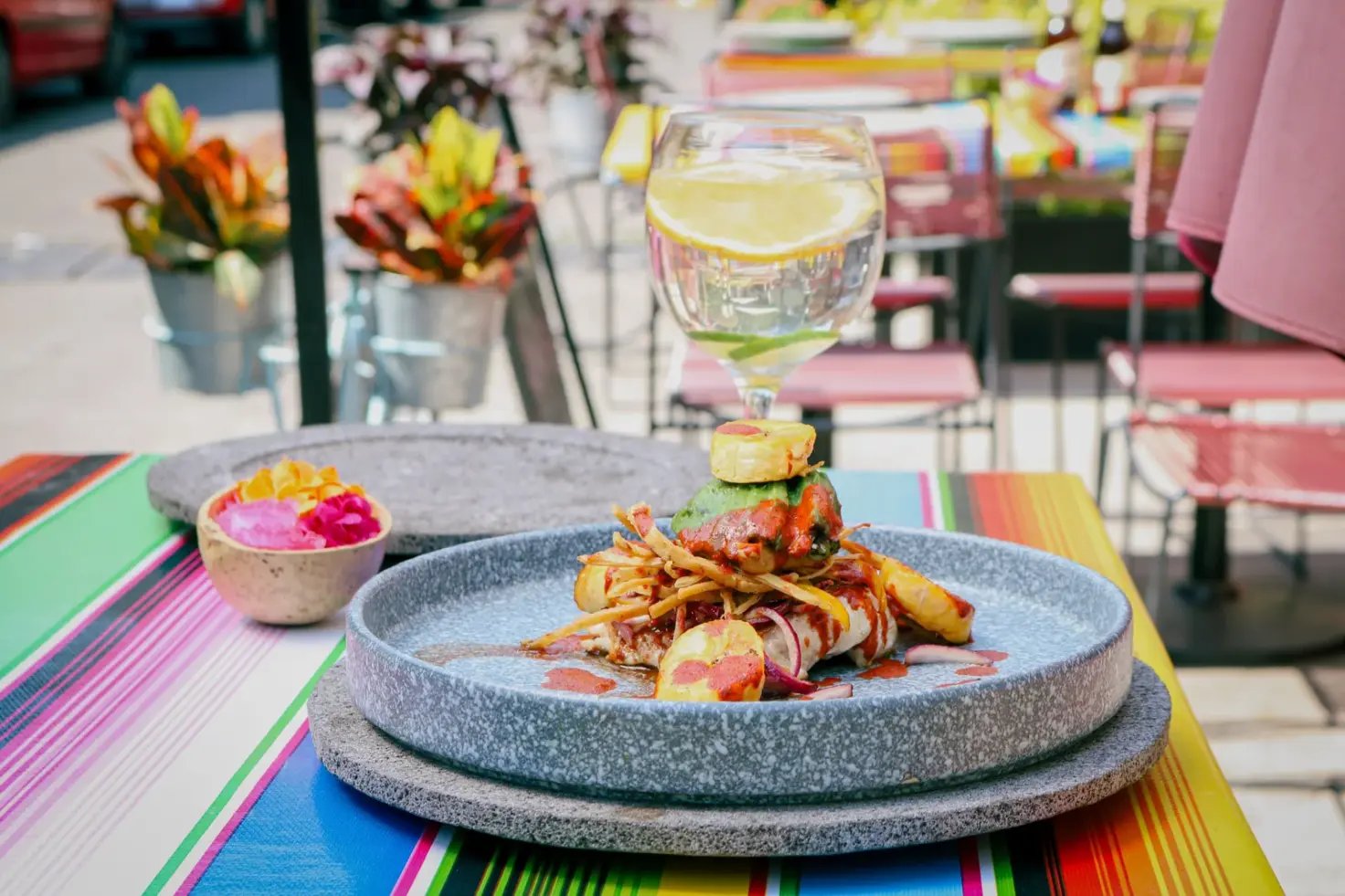
Mexican and Yucatecan food
“Mexican food” covers many regional kitchens. In Cancun you can find tacos and dishes associated with other parts of the country alongside food from the peninsula. Yucatecan cooking has a recognisable character of its own: sour orange, achiote, pumpkin seed, corn, pickled red onion and habanero turn up in different combinations. Those ingredients do not make every dish hot; the fiery salsa often arrives separately.
Cancun is in Quintana Roo, not the state of Yucatán, but the two share a peninsula and many food traditions. The city also has a large, varied restaurant scene. A traditional dish may sit beside a contemporary interpretation, and the same menu can contain both. Order for the food you want rather than treating one style as the only “real” Cancun meal.
Regional dishes to know
These are useful menu names to recognise. You will not find all of them at every restaurant, and the preparation can vary. A place specialising in regional food is a better bet than assuming any Mexican menu carries the whole list.
Cochinita pibil and poc chuc
Cochinita pibil is pork marinated with achiote and sour orange, then cooked slowly until tender. It often arrives with pickled red onion and tortillas; try it as a plate, taco or torta. Poc chuc goes in a different direction: citrus-marinated grilled pork, usually served in slices with accompaniments. If you prefer smoky, grilled meat to slow-cooked pork, that is a useful distinction.
Sopa de lima, relleno negro and queso relleno
Sopa de lima is a light, citrusy broth commonly made with chicken or turkey and crisp tortilla strips. Relleno negro is a dark, richly seasoned turkey preparation whose colour comes from a recado made with charred chiles; it is not simply a mild gravy. Queso relleno is Edam-style cheese filled with seasoned meat and served with sauces. These are fuller dishes for a seated lunch or dinner, rather than snacks to grab between stops.
Papadzules and fish tikin xic
Papadzules are rolled tortillas usually filled with egg and covered in a pumpkin-seed sauce, with tomato sauce often added on top. They are a good example of how a satisfying regional dish can put corn and seeds ahead of meat. Tikin xic is fish seasoned with achiote and sour orange and cooked in a banana leaf or grilled. It is a peninsula coastal preparation, especially associated with places such as Isla Mujeres; ask what fish and preparation the kitchen is serving rather than expecting one fixed presentation.
Tacos and antojitos
For a quick meal, start by deciding what kind of filling you want. Cochinita brings tender, citrusy pork; al pastor is marinated pork cut from a spit; asada is grilled meat. Fish and shrimp tacos are common choices in a coastal city. These are different flavours and cooking methods, not interchangeable versions of one “Cancun taco.” Order a small round first if you want to compare fillings.
Antojitos are the smaller corn-based dishes that make a meal out of a few different tastes. A panucho is a fried tortilla with a layer of beans inside; a salbut is a puffier fried masa base without that bean filling. Both are commonly topped with meat, lettuce and pickled onion. They are particularly good choices when you want to try regional food without committing to a large plate. A marquesita is the sweet finish: a thin, crisp rolled wafer, often filled with Edam cheese and something sweet.
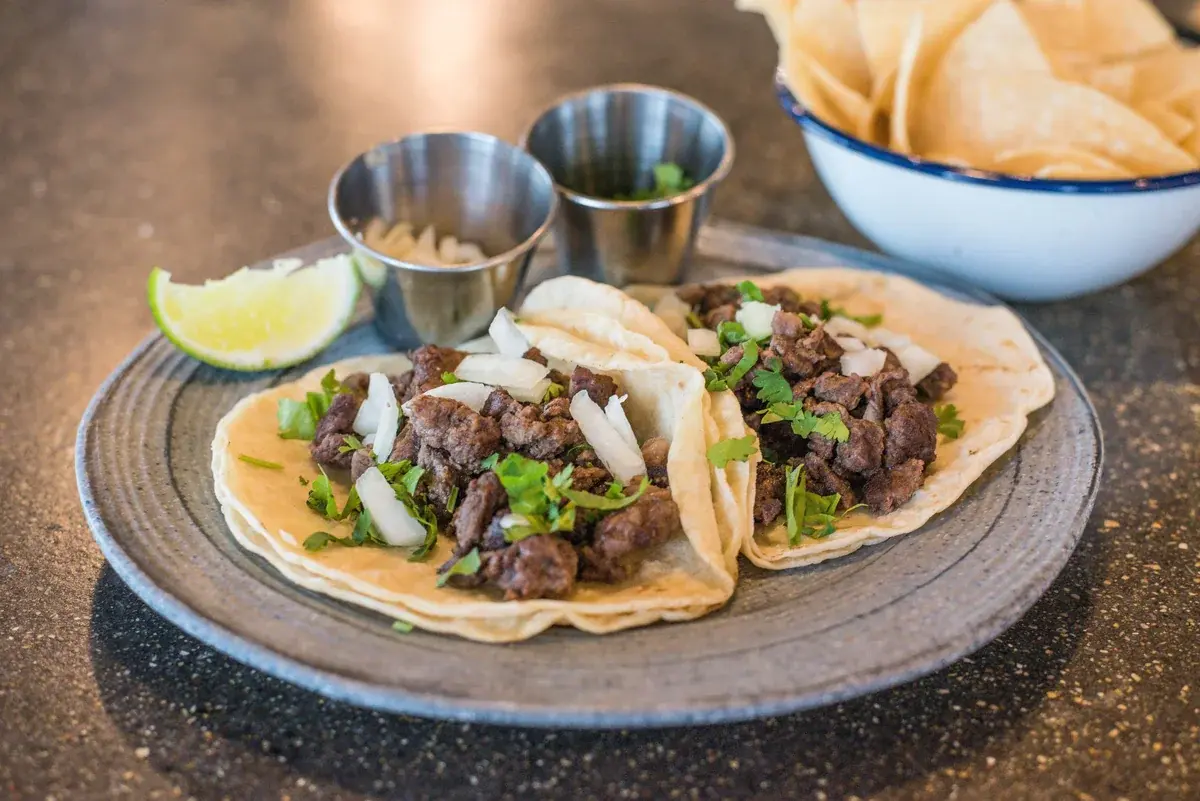
Seafood by the coast
Cancun gives you more to consider than fried fish beside the beach. Look for grilled or banana-leaf fish, shrimp tacos, seafood soup and ceviche. Tikin xic offers an achiote-and-citrus route into regional cooking; a straightforward grilled fish lets the fish itself lead. Ask about the catch, preparation and price before ordering a whole fish, which may be priced by weight.
Ceviche is seafood cured in citrus, not heat-cooked. If raw seafood is something you normally avoid, choose a fully cooked preparation. You can still have a memorable coastal meal without making ceviche the test of whether you have eaten “properly” in Cancun.
Breakfast and everyday meals
Mexican food does not begin at dinner. Breakfast might be eggs with tortillas, chilaquiles, a torta or something from a bakery with coffee. Cochinita is also traditionally eaten in the morning in the peninsula, so a pork taco before noon is not an odd order. A market or simple fonda can be a better setting for this kind of meal than a restaurant built around an evening show.
At lunch, watch for a comida corrida or set daily meal: it may include soup, a main dish and a drink. What is included varies, so read the board or ask. This is a way to taste everyday cooking without turning lunch into a major outing. Leave room for a marquesita later if you encounter a stall making them fresh.
At the table
Fresh tortillas, lime, pickled red onions and salsa can change a dish as much as the filling does. Taste first, then add the habanero salsa a little at a time. The colour of a sauce does not reliably tell you how hot it is. If you dislike heat, ask “¿Pica mucho?” (“Is it very spicy?”) and request salsa on the side: “La salsa aparte, por favor.”
For a drink, look beyond a default beer or margarita. Agua de jamaica is made from hibiscus, horchata is a sweet rice-based drink, and fruit aguas frescas vary by stall or restaurant. Chaya, a leafy plant used in the region, may appear in a prepared drink or dish. If you need to avoid an ingredient, ask directly; a familiar-looking sauce can contain seeds, nuts, dairy or meat stock.
Where to eat
The Hotel Zone is the easier choice when you want dinner close to your resort, especially if the view, service or an evening out is part of the plan. It has Mexican menus, but a stylish setting does not guarantee the regional dishes above. Look at the actual menu. Porfirio’s Cancun, for example, makes sense when you want a polished Mexican dinner with a lively atmosphere; it is a different plan from a morning cochinita stop.
Downtown and the city side give you more scope for everyday taco shops, markets, fondas and regional meals. Choose the dish or meal format first, then a specific destination and a way back. The Hotel Zone is long, and “Downtown” is larger than one walkable restaurant district. Getting Around Cancun helps with the journey; Best Restaurants in Cancun is useful when you want to compare named places. For the broader decision between resort dining and a night out, see Food & Drink in Cancun.
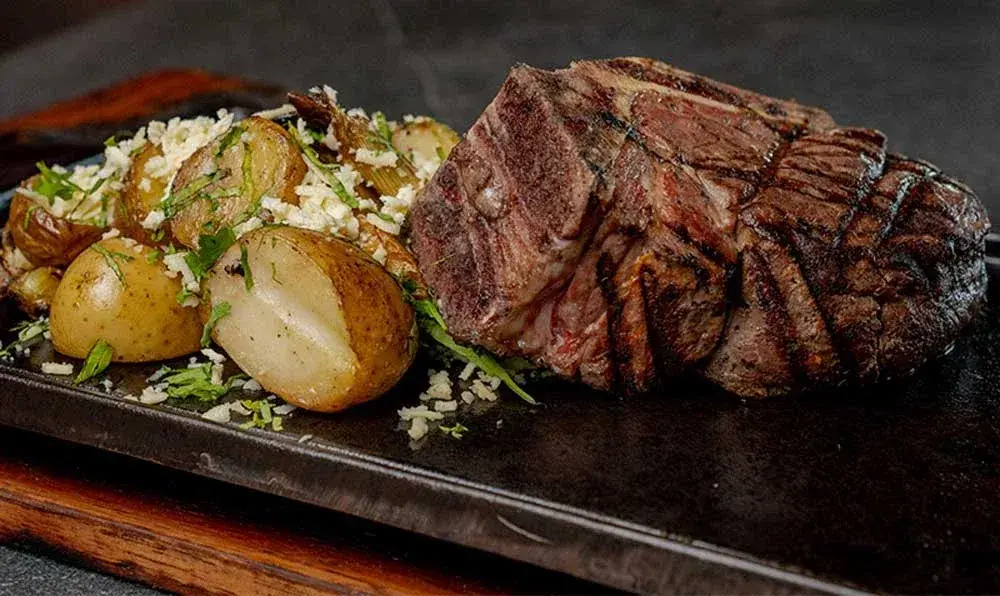
Ordering and paying
Meal timing is flexible in a visitor city, but a market breakfast, a lunch set and a late restaurant dinner are different experiences. Check opening hours before travelling for one particular dish. At a stall, see what is being cooked and the posted price; at a restaurant, ask about portions, specials and any price by weight. “¿Qué recomienda?” gets you a recommendation, while “La cuenta, por favor” asks for the bill.
Carry pesos for smaller stalls and markets; a restaurant is more likely to take a card, but ask before ordering if that matters. Check whether service is already on the bill. A tip of around 10–15% is customary for restaurant service, adjusted for what you received. For food safety, favour food cooked and served hot, use safe drinking water, and be more selective with raw seafood, uncooked toppings or food left standing in the heat. A busy stall can be appealing, but a crowd alone cannot tell you how its food was handled.
One or two meals out
If you have one meal: choose the gap in your resort dining. If you want regional flavours, seek a place serving cochinita, panuchos, sopa de lima or another dish that genuinely appeals to you. If the evening is about a view and a long dinner, choose that knowingly and order from the menu that is actually available. There is no prize for ticking off the most dish names.
If you have two: make them different. Try a casual taco or market lunch for one, then a seated regional or seafood dinner for the other. You will see more of Cancun’s food that way than you will by booking two similar show restaurants. Work out the ride back before leaving the resort, and let your appetite decide the rest.