
Cancun Guide
This Cancun guide brings together the practical information you need to help you make the most of your trip. Start with the Hotel Zone and Downtown, then use the links below for detailed advice on the airport, transfers, getting around, weather, money and more.
This page is the starting point. Each linked guide covers the detail without making you hunt through one enormous article.
Cancun at a glance
If this is your first visit, these are the basics that make the rest of the planning easier.
Main visitor area: The Hotel Zone is a long, narrow strip with most of Cancun’s beachfront resorts, major tourist attractions, restaurants and nightlife.
City centre: Downtown Cancun is on the mainland, with local neighbourhoods, shops, restaurants, markets and transport connections.
Arrival: Cancun International Airport is south of the city. Know how you are getting to your accommodation before you arrive.
Getting around: Public buses serve the Hotel Zone and Downtown, taxis are widely available, and a rental car is most useful when you plan to explore beyond Cancun.
Money: The Mexican peso is the official currency. US dollars are accepted by many tourist businesses, but exchange rates vary and change is often given in pesos.
Weather: Cancun is warm throughout the year, but heat, humidity, rain and storm risk vary by season. Check the weather guide before choosing dates or packing.
Continue to the map and Hotel Zone versus Downtown comparison below, or go straight to the detailed guide you need.
Map of Cancun and the main areas
Cancun is easier to understand once you see its shape. The Hotel Zone curves like a number 7, with Boulevard Kukulcán following the narrow strip between the Caribbean Sea and Nichupté Lagoon. Its kilometre markers run from km 0 near the Downtown end towards km 25 at the southern end.
Downtown Cancun sits inland from the top of the 7, while Cancun International Airport is south of the Hotel Zone. The main road south continues towards Puerto Morelos, Playa del Carmen and the Riviera Maya.
For Isla Mujeres, Puerto Juárez is the main passenger-ferry area north of Downtown. Passenger ferries also leave from the Hotel Zone, while vehicle ferries use Punta Sam farther north.
Use the map to check whether your destination is in the Hotel Zone or Downtown, its kilometre marker when relevant, and which side of Boulevard Kukulcán it is on.
For journey choices, see Getting Around Cancun. For arrival planning, use the Cancun Airport and Airport Transfers guides. If you are heading to the island, continue to the Isla Mujeres guide.
Hotel Zone or Downtown: which area suits you?
If your picture of Cancun is a resort beside the Caribbean, you are probably thinking of the Hotel Zone. Downtown is the mainland city where many local residents live and work. Neither is automatically better; they suit different trips.
Choose the Hotel Zone if…
- being close to the beach and resort facilities is a priority;
- you want the largest concentration of beachfront hotels and all-inclusive resorts;
- you prefer visitor-focused restaurants, attractions and nightlife within the same corridor; or
- you are happy to pay more for convenience in the main tourist area.
The trade-off is that the Hotel Zone is long and spread out. Two places that look close on a map can still be several kilometres apart, and prices in the main tourist corridor can be higher than Downtown.
Choose Downtown if…
- you prefer a city neighbourhood rather than a resort setting;
- local restaurants, markets and everyday services matter more than having the beach outside your hotel;
- you want to be near the ADO bus station for independent trips; or
- you are comparing independent hotels and lower-cost places to stay.
The trade-off is that Downtown is not Cancun’s main beachfront resort area. You will normally need a bus, taxi or Uber when you want to visit the Hotel Zone beaches, attractions or nightlife.
You can use both
Staying in one area does not stop you enjoying the other. Buses connect the Hotel Zone and Downtown, while taxis and Uber are useful for direct journeys. Check the distance and return options before setting out, especially late at night.
Compare accommodation in the Cancun Hotels guide, plan evenings with the Cancun Nightlife guide, and use Getting Around Cancun for the full transport comparison.
| Your priority | Start by considering | Why |
|---|---|---|
| Beachfront resort stay | Hotel Zone | Most of Cancun’s beachfront resorts and resort facilities are along this corridor. |
| All-inclusive convenience | Hotel Zone | This is where the largest concentration of all-inclusive properties is found. |
| Local restaurants, markets and city life | Downtown | You are closer to everyday neighbourhoods and mainland services. |
| Independent travel by ADO bus | Downtown | The main ADO station is Downtown. |
| Lower-cost accommodation search | Compare Downtown | Downtown often provides more independent and lower-priced options, but compare the full cost of transport to the places you plan to visit. |
| A mix of beach and city | Either | Choose the setting you want most often, then travel to the other area when needed. |
Essential guides for planning your Cancun trip
Start with the guide that matches your next decision. These pages contain the practical detail deliberately kept out of this overview.
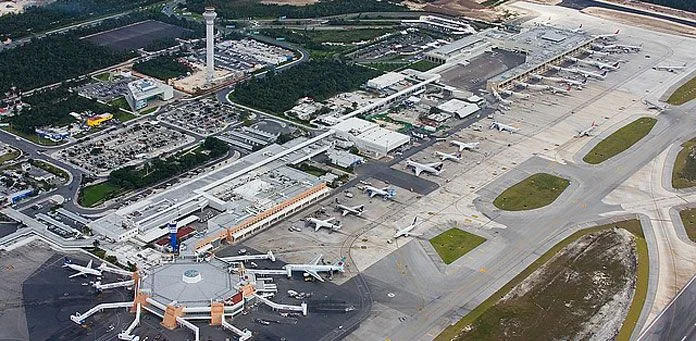
Cancun Airport
Prepare for arrival with practical guidance on terminals, immigration, customs, airport facilities and the first steps after landing.

Cancun Airport Transfers
Book a private airport transfer with USA Transfers, check current prices by destination, find your hotel, and read practical guidance on meeting your driver, luggage, payment and return pickup.
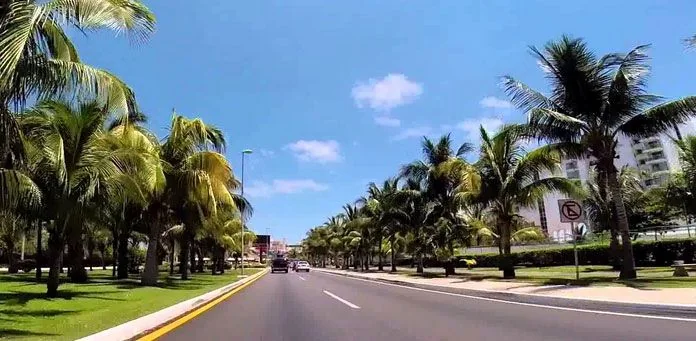
Getting Around Cancun
Choose between buses, taxis, Uber, rental cars and walking for the Hotel Zone and Downtown, with onward guidance for ferries and ADO buses.

Cancun Weather
Understand Cancun’s seasons, compare the monthly weather guides, and find detailed information on averages, hurricane season and current conditions.
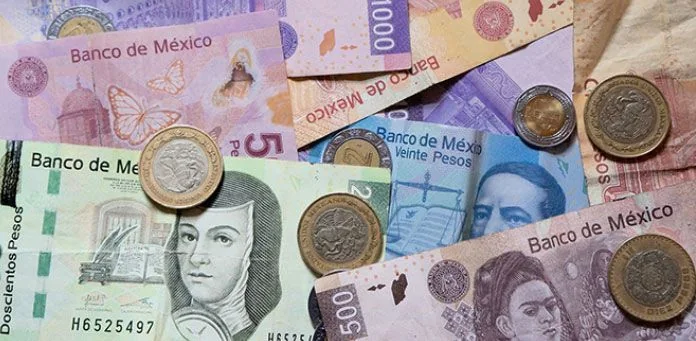
Money in Cancun
Learn when to use pesos or US dollars, how to withdraw or exchange money, what to know about tipping, and how to avoid common money problems.
Health and current conditions
Use these guides for practical sea-lice information and recent webcam views without relying on an undated summary of changing conditions.
For shark species, recorded attacks and swimming-safety advice, read our Sharks in Cancun guide.

Sea Lice in Cancun
Understand what visitors call sea lice, when irritation is more likely, how to reduce exposure, and what to do if a rash develops.

Live Cancun Webcam
Open the maintained webcam guide for recent views of Cancun’s beaches, sea and sky, with clear notes about camera location, ownership and availability.
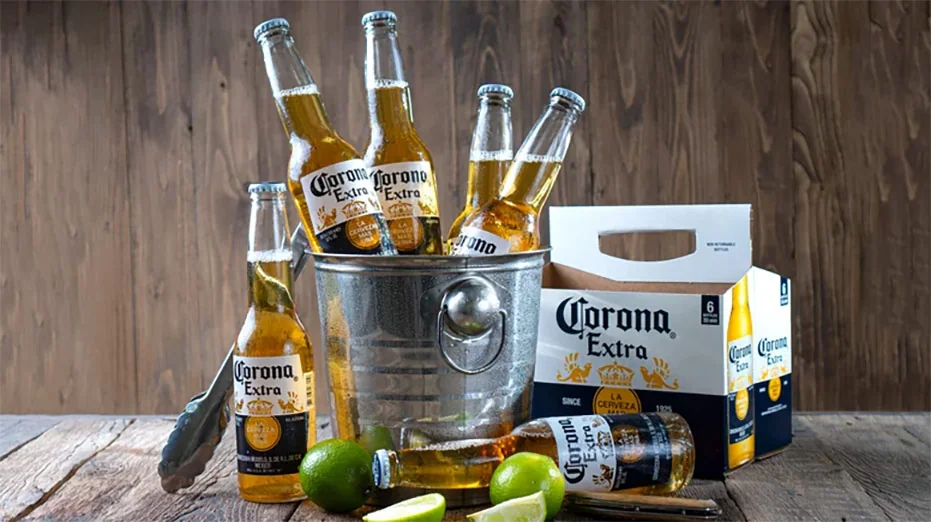
Cancun Alcohol Guide
Check Cancun’s drinking age, ID expectations, resort inclusions, shop hours, public-drinking rules and safer ways to get home.
Smoking and Vaping Rules in Cancun
Find practical advice on smoking areas, beaches, hotels, the airport and travelling with vapes.
Events, nightlife and specialist planning
Once the essentials are covered, these guides help with evenings out, recurring events and trips that need more specialised planning.
Nightlife and entertainment

Cancun Nightlife
Plan an evening out with practical guidance on Cancun’s main nightlife areas, clubs, bars, entertainment and getting back safely.

Cancun Casinos
Compare currently verified Cancun casinos, the games and facilities they offer, entry expectations, money considerations and practical transport advice.
Events and occasions
Mexican Events in Cancun
Learn which recurring Mexican holidays and festivals visitors may experience in Cancun, when they take place, and what you are realistically likely to see.

Cancun Weddings
Start planning a Cancun wedding with guidance on resort and independent venues, legal or symbolic ceremonies, timing, guests, weather, budgets and questions to ask.
Specialist planning

Cancun Timeshares
If you are considering a Cancun timeshare, look closely at ongoing costs, sales pressure, contract terms and your options before committing.
Explore beyond Cancun
Cancun also works as a base for visiting nearby destinations. Use these guides to decide what suits your trip and plan the practical details.
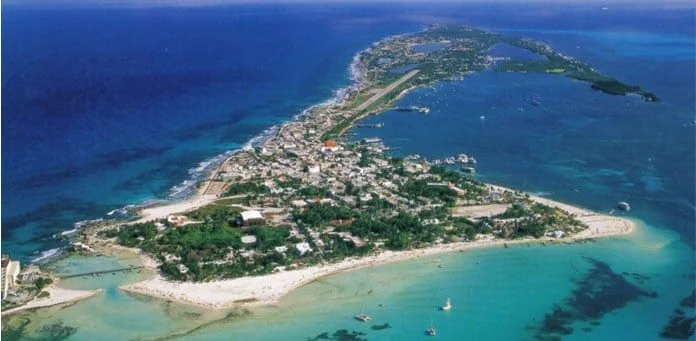
Isla Mujeres
Plan a visit to Isla Mujeres with guidance on ferry choices, getting around the island, beaches, neighbourhoods and things to do.

Playa del Carmen
Use the Playa del Carmen guide to plan a day trip or longer stay, with help on the town’s layout, transport choices, beaches and things to do.
The bottom line
Use this guide to get oriented, then continue to the detailed page that matches the decision you need to make. Start with where you will stay and how you will arrive, then check transport, weather and money before moving into specialist planning.
Local conditions and practical details can change, so check the relevant guide again near your travel date rather than relying on an old screenshot or saved timetable.